From age 7
Games
They write the rules, the score, and the characters. Then they play what they coded.
Python · stories · levels
GCC · UAE · KSA · Qatar · Kuwait · Engineered for the Few.
GCC · GST / AST
Engineered for the Few.
The Private School of Computing for Exceptional Young Minds.
They don't sit through videos. They write real Python, build games, websites, and robots — with a live mentor and only four students in the room.
Live evening classes across UAE, Saudi Arabia, Qatar & Kuwait.
maya_game.py · live class
def start_game():score = 0rover = Robot("Maya")while rover.alive:rover.move()score += 10return "You built it!"
LEVEL 1 · SAND TRAIL
4 kids in class · 1 live mentor
Evening coding classes for families in
UAE · Saudi Arabia · Qatar · Kuwait
What we actually teach
Codeoko is a live coding school for children 7–18. Every class ends with something that runs — a game, a page, a robot, a small AI — not a certificate they forget by Friday.
From age 7
They write the rules, the score, and the characters. Then they play what they coded.
Python · stories · levels
From age 11
Pages that open in a browser — not a worksheet. Colour, words, and something that works.
HTML · TypeScript · Next.js
From age 12
A rover that turns, maps, and doesn’t crash. Code that moves something in the world.
Sensors · maps · Python
From age 15
They train a small model, then explain it in plain words. No mystery. No hype.
Vision · agents · PyTorch
Student projects
Code on the left. The game, rover, or app it becomes on the right. Studio samples from a live class — named and attributed as households permit.
star_catch.py
1def update(player, stars, bees):2player.x += player.speed3if hit(player, stars):4score += 15respawn(stars)6if hit(player, bees):7lives -= 1
Star Catch
A collect-the-stars game: move, grab gold stars, lose a life on a bee. Score goes up for a reason they can explain.
Studio sample · First Code · ages 7–10 · 3 weeks
Studio samples from live class. First names, cities, photographs, and repositories are published only with household permission — as enrolled students allow.
How a class works
Most coding classes: watch, copy, certificate. Codeoko: understand, build, fix, show. That’s how children actually learn to code.
We show the idea in plain words first. Then they write it as code.
They make the game, page, rover, or agent. Hands on the keyboard. Not watching a video.
When it breaks — and it will — they learn to find why. That’s the real skill.
They explain what they built, in 12 minutes, no slides. Parents can watch the work.
The whole secret
1 : 4
No giant Zoom. No copying from a screen. Every child is building something different — and a real engineer is sitting with them.
Maya
Age 8
Story game
Omar
Age 12
3D racer
Lina
Age 14
Rover sim
Noor
Age 16
Vision AI
Programs by age
Three live coding programs. Tap an age band to see what they build each week, which languages they use, and how they start.
This week they build
A small website or game with tests a mentor can actually break.
They code with
2 × 120 min · GST / AST
They leave with a project they can run and explain — not a pack of worksheets.
Why parents choose Codeoko
We teach children how to code. The rest — tiny groups, live engineers, a parent portal — is how we do it well.
One mentor. Four children. Your child is seen, helped, and challenged — not lost in a lecture of forty.
The homework is a game, a website, or a robot that runs. You can open it. They can explain it.
Parents get a clear picture: what they built this week, where they’re strong, and what comes next.
Studios on GST / AST. Mentors who can work in Arabic and English. Not a generic global classroom.
The mentors
Live class. Four children. Mentors who still write software — and who can explain it to a nine-year-old.
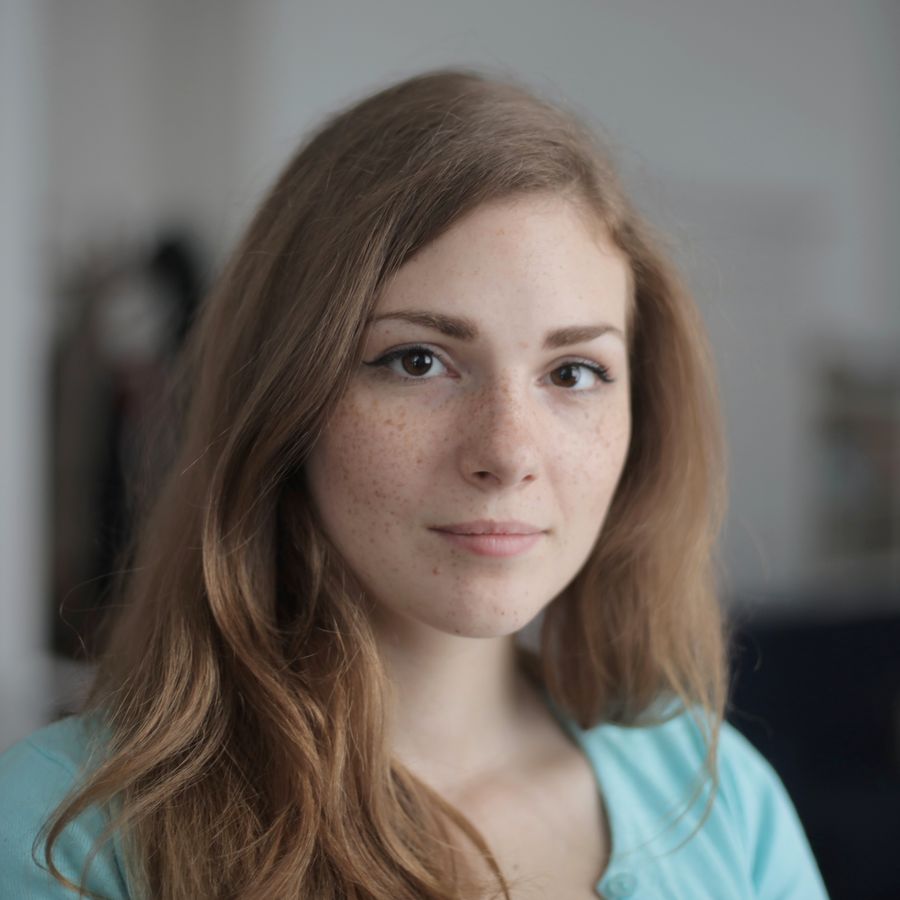
MSc, Computer Science Education
She sits with the 7–10s until a game they wrote actually runs.

MSc, Software Architecture
Websites and tests a mentor can actually break.
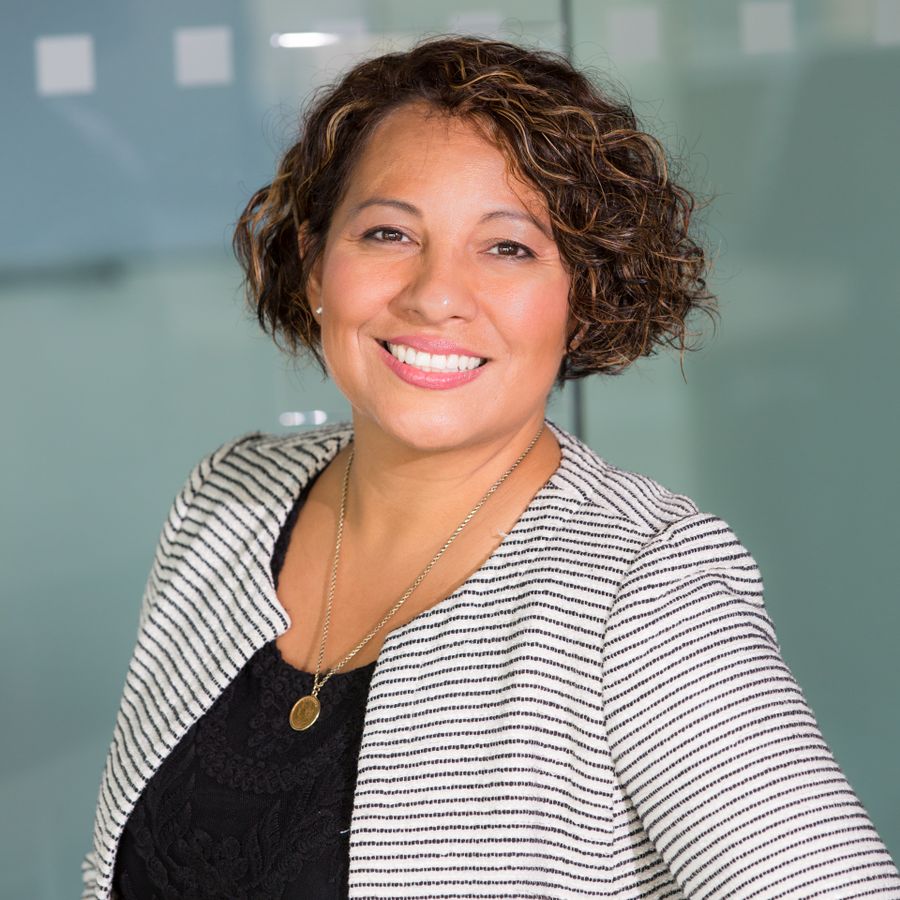
MSc, Human–Computer Interaction
Pages that have to open — in Arabic and in English.
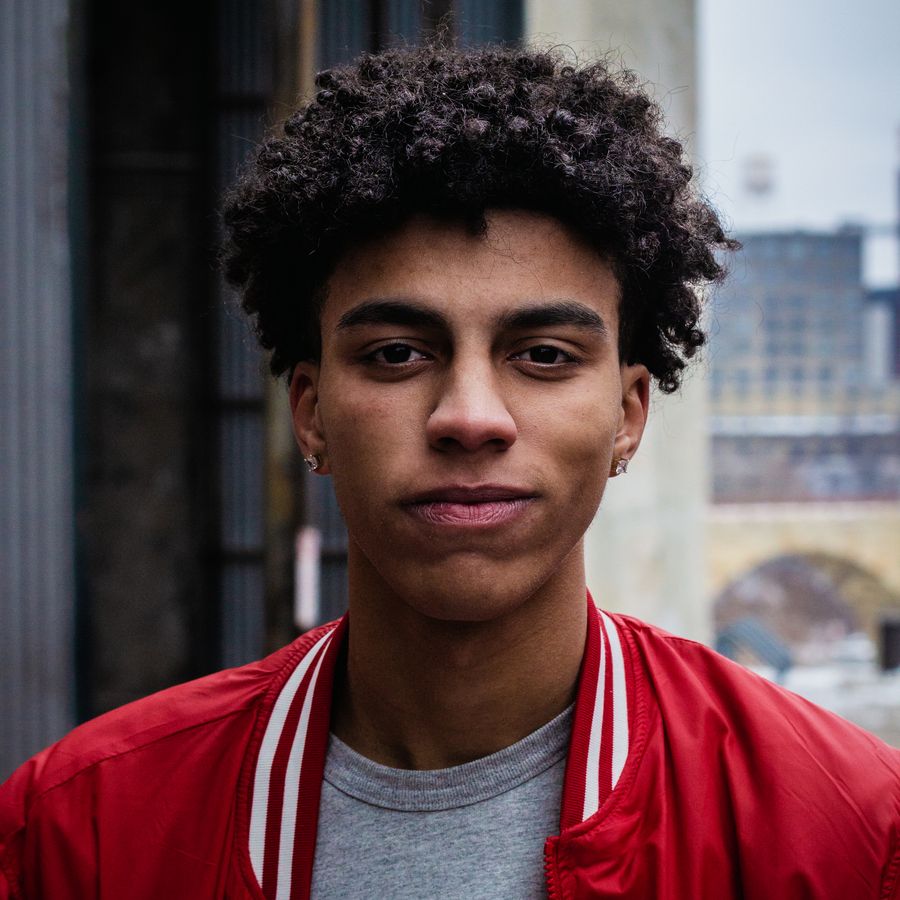
BSc Computer Science · game systems
They write the rules. Then they play what they wrote.
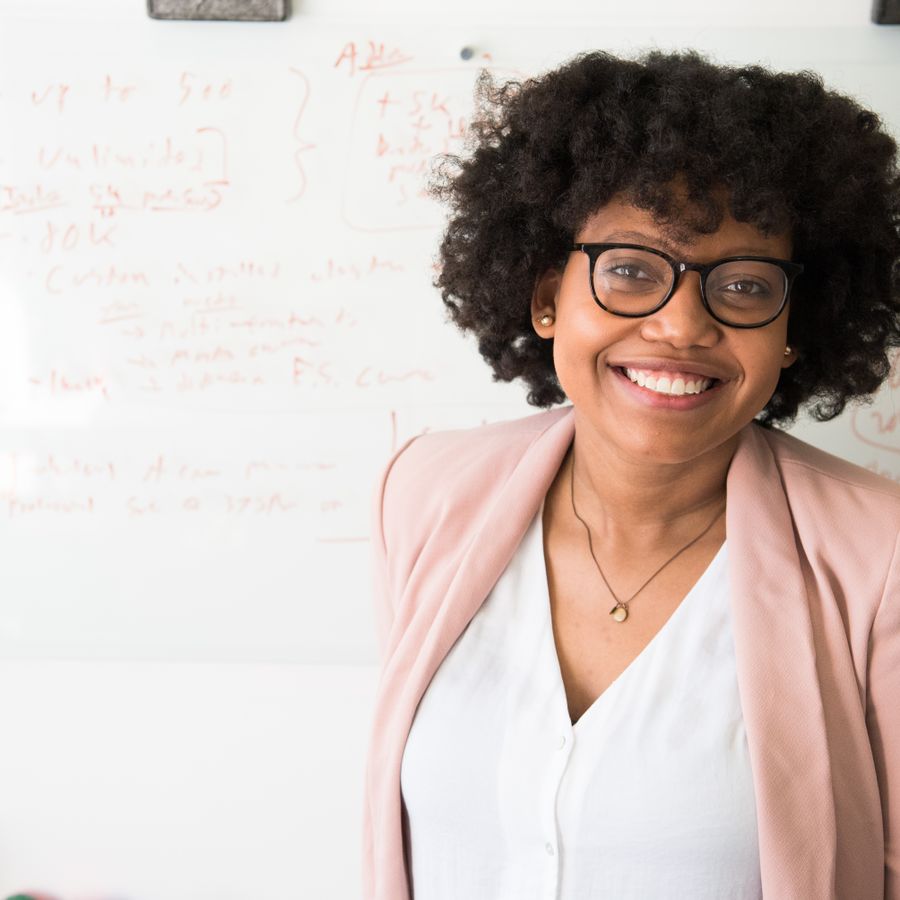
MSc, Machine Learning
A small model they can pause, inspect, and explain.

MEng, Robotics & Control
Code that makes a rover move — and stop.
For parents
After every stretch of classes, you get a plain-language picture: what they built, where they’re strong, and what we’ll push next.
Noor - Omar's mother
Omar
Age 12 · App Builders
This term · GST evenings
Logic
Holds the steps in their head before typing.
Problem solving
Breaks a task down without waiting to be rescued.
Code quality
Names and tests are getting clearer.
Debugging
Still asks for help a little early — that's the work.
Systems thinking
Can say why the game is structured that way.
Explaining
Shorter, clearer than last term.
What you actually get
Structure. Naming. Not pretending.
Fixing bugs without looking up for rescue.
Families
Codeoko Journal
Five essays. Quality over a content mill. The argument is the same as the classroom.
Age
The same slogan at every age is how you get a cartoon class. The work has to change. The standard does not.
Open the essayTuition
Starting points, billed in AED, SAR, QAR, KWD, or USD. We’ll confirm the right track on the intro call.
AED 1,800/ month
4 students · 8 live sessions · 1 dedicated mentor
AED 4,500/ month
1 student · 8 private sessions · Dedicated mentor
AED 3,300/ 2 weeks
Small cohort · Project-led · Intensive schedule
From about $490 / $1,224 / $898 at reference rates. Confirmed on the intro call.
How to join
We keep classes small, so we meet you first. That’s it.
1
A short intro call. We hear your child’s age, city, and what they like to make.
2
We recommend First Code, App Builders, or AI Engineers — and a pace that fits.
3
They join a live class of four. You see how they settle with a real mentor.
4
If it feels right, they join the term. Private Cohort or Private 1:1.
Questions parents ask
Class size, Arabic, time zones, missed sessions, and how we know they’re learning.
Studios run from ages 7 to 18. Entry is by conversation and a short faculty assessment — not by a marketing age band. A capable 9-year-old may sit with Systems work; a 15-year-old new to code begins with fundamentals, not slogans.
Ready when you are
Tell us their age and city. We’ll match them to a live class of four.